


How Much Exercise Does a Labradoodle Actually Need?
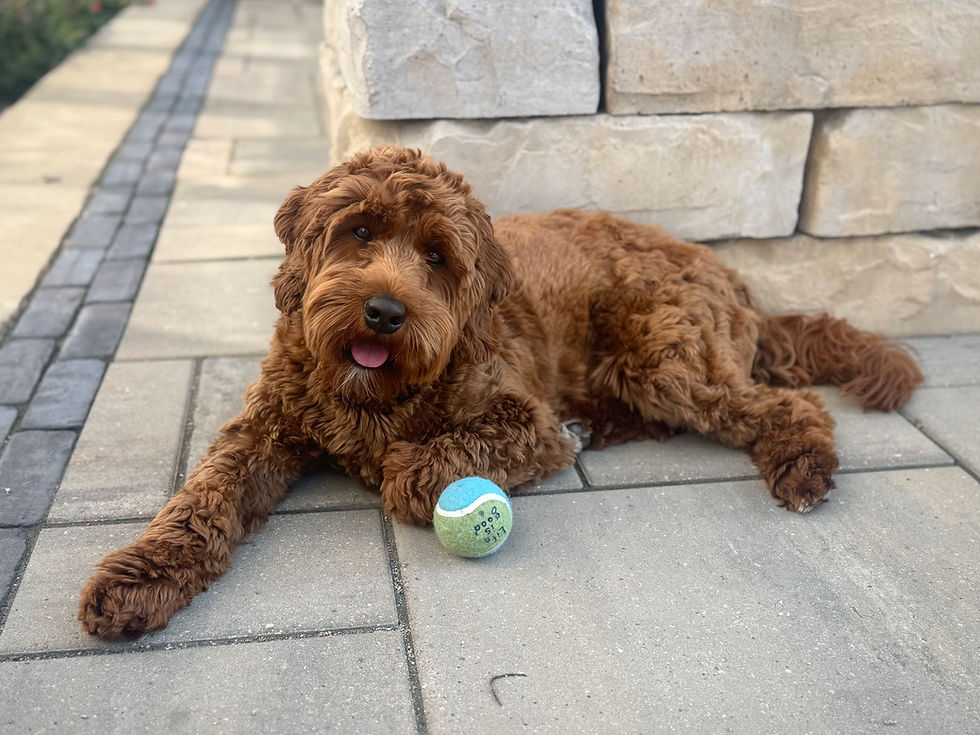
A Happy Doodle Is an Active Doodle!
If you've ever owned a Labradoodle, you probably already know that they aren't always couch potatoes. Between their Labrador Retriever and Poodle heritage, Labradoodles are typically playful, intelligent, and full of energy.
But how much exercise do they actually need?
The answer isn't quite as simple as a specific amount of time. Your Labradoodle's age, size, health, and personality all play a role in how much activity they need each day. Some doodles are perfectly happy after a couple of walks and some backyard play, while it might take others a little longer to run off all their energy.
The good news? Keeping your Labradoodle active doesn't have to mean spending hours at the dog park every day. A combination of intentional exercise, mental stimulation, and quality time with their family can easily keep your doodle happy and healthy.
How Much Exercise Does a Labradoodle Need?
As a general guideline, most healthy adult Labradoodles benefit from around 30–60 minutes of physical activity twice a day.
That doesn't mean you have to spend two hours walking your dog every day. Exercise can come in many different forms, including:
Walking around the neighborhood
Playing fetch in the backyard
Hiking on a dog-friendly trail
Swimming
Playing tug
Running or jogging
Training games and obedience practice
The goal is to give your Labradoodle opportunities to move their body. Remember, a tired doodle is usually a happy doodle!
Puppies Need a Different Kind of Exercise
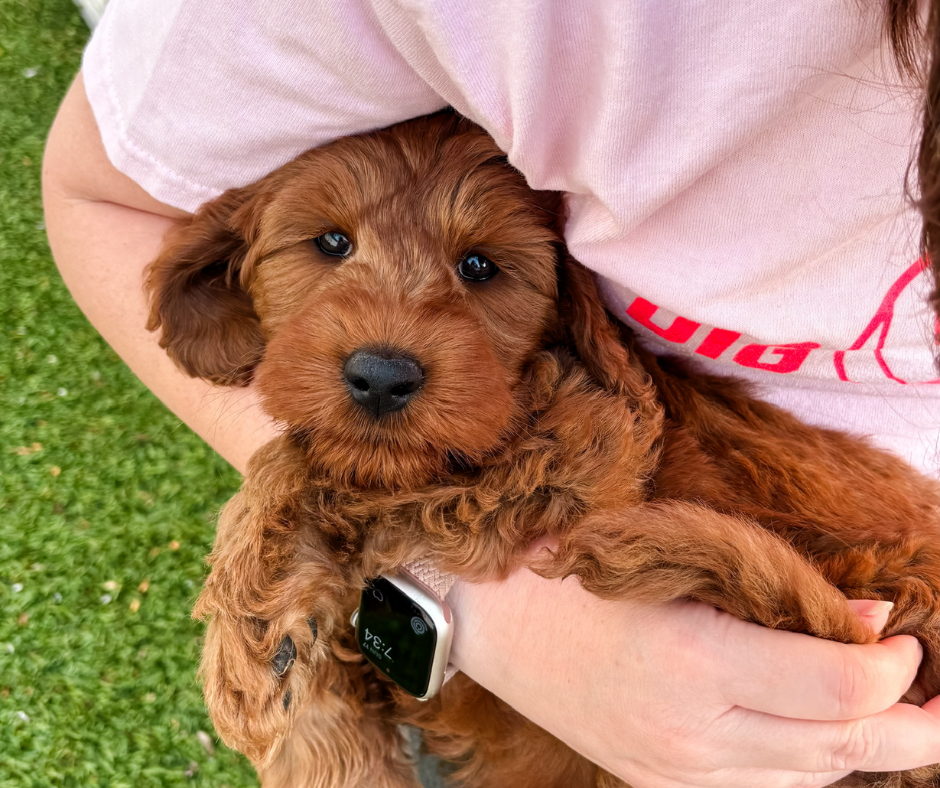
When it comes to Labradoodle puppies, more exercise isn't necessarily better.
Puppies are still growing, and their bones and joints need time to develop. Instead of long walks or intense running sessions, focus on short bursts of age-appropriate activity throughout the day.
What are some age-appropriate activities? A few minutes of playing, exploring the yard, practicing basic commands, or walking around the house can be plenty for a young puppy.
Puppies also need a LOT of sleep, so don't be surprised if your little doodle goes from running around the living room to completely passed out on the floor five minutes later!
As your puppy grows, you can gradually increase the length and variety of their activities.
Don't Forget About Mental Exercise!
Physical exercise is only half of the equation for Labradoodles. These dogs are incredibly smart and desire mental stimulation as well!
Try incorporating activities like:
Puzzle toys
Treat-dispensing toys
Basic obedience training
Hide-and-seek
Learning new tricks
Snuffle mats
Scent games
Finding hidden treats around the house
Mental stimulation is especially helpful on rainy days or when the weather makes outdoor exercise difficult. A Labradoodle who has exercised their body and brain is much more likely to settle down and relax afterward.
What Does a Good Daily Routine Look Like?
Every family will have a different schedule, but creating a consistent routine can make it easier to make exercise a regular part of your Labradoodle's day.
A typical day might look something like this:
Morning: Start the day with a walk or a short play session. This gives your doodle a chance to stretch their legs and burn off some energy before the day begins.
Afternoon: Add some mental enrichment, such as a puzzle toy, training session, or a safe chew.
Evening: Take another walk, play fetch, and enjoy some backyard family time together.
Signs Your Labradoodle Needs More Exercise
Every Labradoodle is different, but there are a few behaviors that may indicate your dog isn't getting enough physical or mental stimulation.
You may notice:
Excessive chewing
Digging
Barking or attention-seeking
Restlessness
Zoomies that never seem to end
Getting into things they shouldn't
Difficulty settling down
Of course, these behaviors can have many causes, but if your doodle seems consistently restless, adding an extra walk, play session, or enrichment activity may help.
Final Thoughts
So, how much exercise does a Labradoodle actually need?
For most healthy adult Labradoodles, around 1-2 hours of physical activity is a good starting point, combined with plenty of mental stimulation. Puppies, seniors, and dogs with individual health needs may require a different approach.
Don't forget to mix up walks, playtime, training, enrichment, and adventures to keep things interesting. Exercise shouldn't feel like a chore for you or your dog. It should be one more excuse to spend time together!


Comments